
Week 3 of Pregnancy
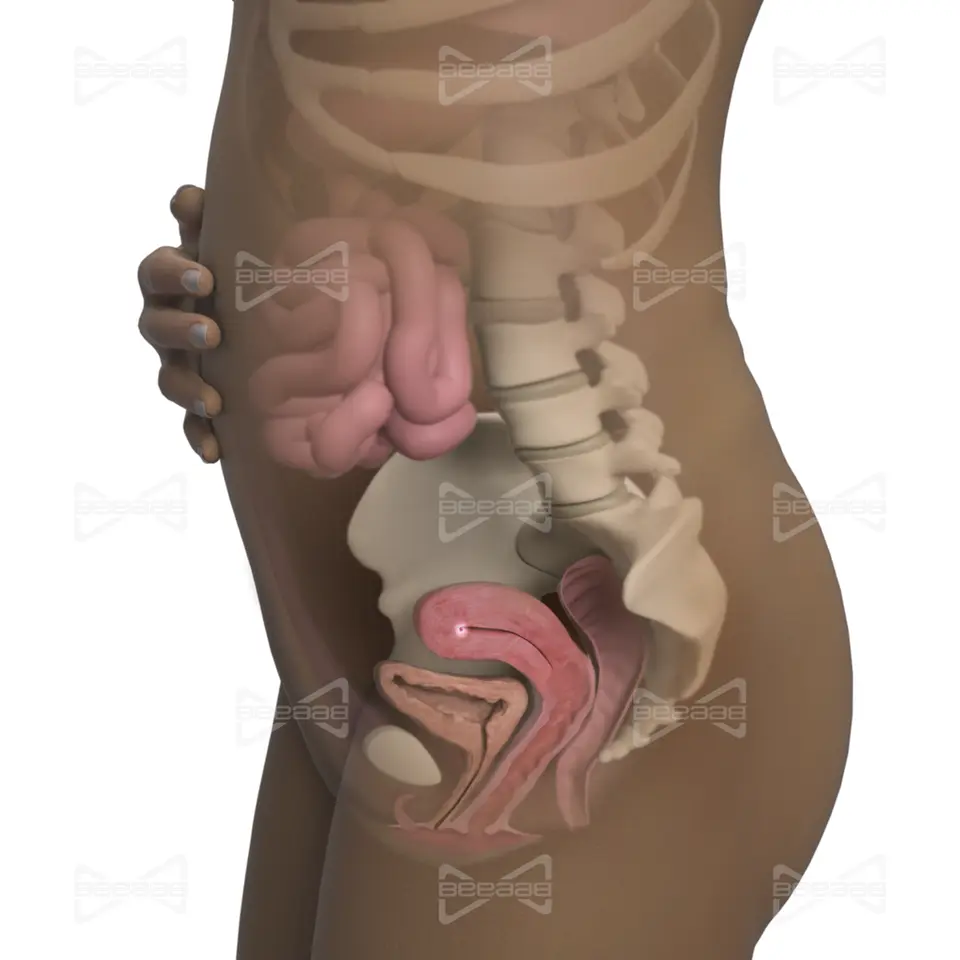
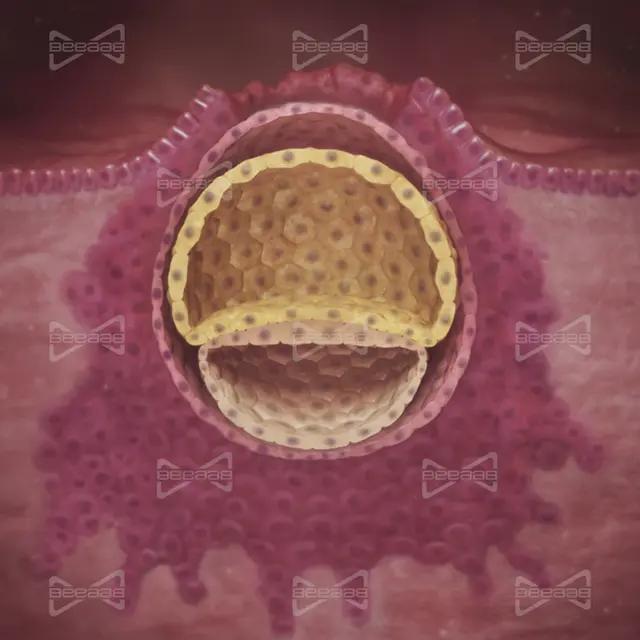
In the third week of pregnancy, after fertilization, the cluster of cells that is now an embryo completes its journey through the fallopian tube and implants itself into the uterine wall for nourishment and growth, a process known as implantation. At this stage, your embryo may be a twin or multiple; fraternal twins occur when two separate eggs are fertilized by two different sperm, with each baby having its own placenta and amniotic sac. If a single fertilized egg splits into two embryos, identical twins are formed, which may share a placenta but have separate amniotic sacs. Many women are still unaware of their pregnancy because this is the time of fertilization and the beginning of implantation. Fertilization occurs when a sperm fertilizes an egg in the fallopian tube, and the fertilized egg or zygote begins to divide, reaching the blastocyst stage within a few days. The blastocyst consists of a cluster of cells that will develop into the embryo and placenta. By the end of the third week or the beginning of the fourth, the blastocyst attaches to the uterine wall, and implantation begins, which may cause spotting or light bleeding. At this stage, many women do not experience any pregnancy symptoms, although hormonal changes have already begun.
Tests and Monitoring in the Third Week
During this week, taking a home pregnancy test usually won’t provide an accurate result because the hCG hormone level is still not high enough to be detected by home tests. It’s better to wait until the fourth or fifth week. If you suspect you are pregnant and need quicker confirmation, a blood test can measure the hCG hormone level and confirm pregnancy.
Lifestyle and Health Recommendations
Ensure you are consuming a balanced diet rich in vitamins and minerals. Adequate intake of folic acid (at least 400 micrograms per day) is very important. Additionally, don’t forget to drink enough water to maintain body hydration.
If you exercise regularly, continuing with light and moderate exercises like walking or yoga can be beneficial. However, avoid heavy or risky exercises.
Utilize relaxation techniques such as yoga, meditation, and breathing exercises, which can help reduce stress.
Avoid consuming alcohol, smoking, drugs, and excessive caffeine.
Emotional support from family and friends can help reduce stress and increase your sense of well-being.
Although you may not notice many changes at this stage, it’s important to pay attention to your body and any unusual changes.
Week 3 of pregnancy marks the beginning of early embryonic growth and development. Even if you don’t yet have obvious symptoms of pregnancy, starting early care and a healthy lifestyle can help maintain your health and the baby’s health. If you have any concerns or questions, consult with your doctor or midwife.