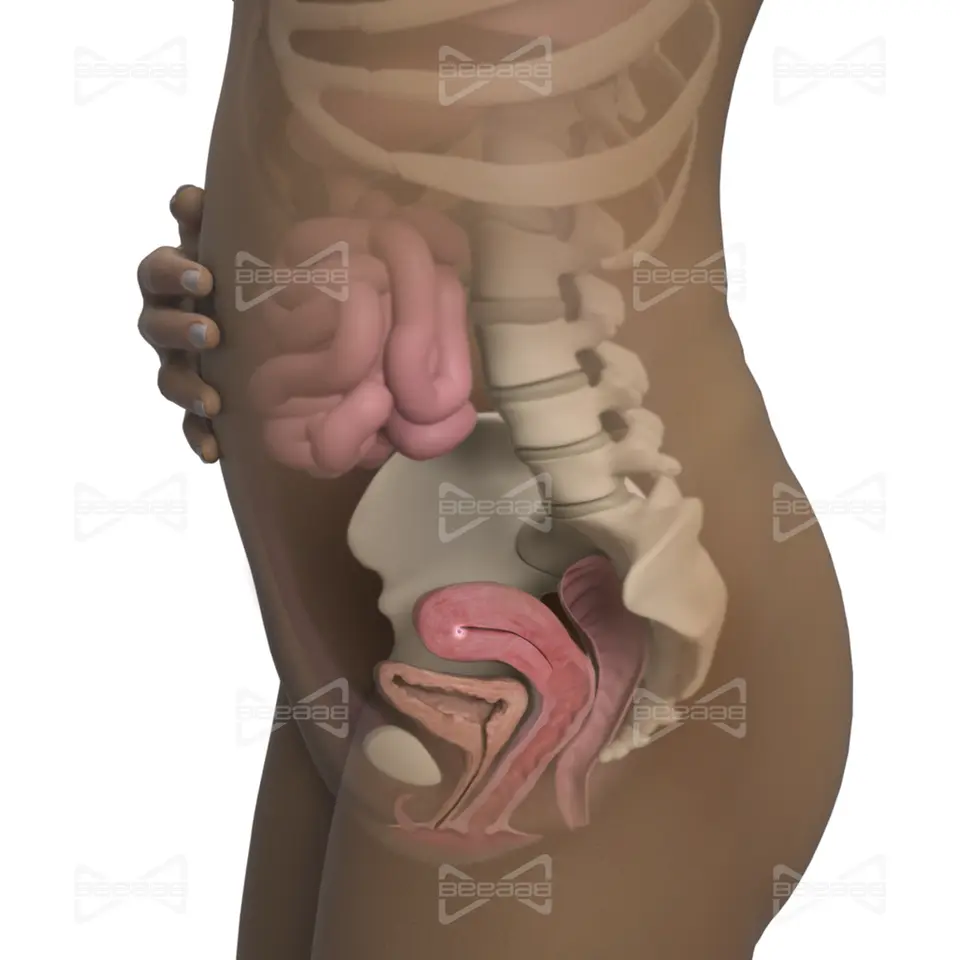

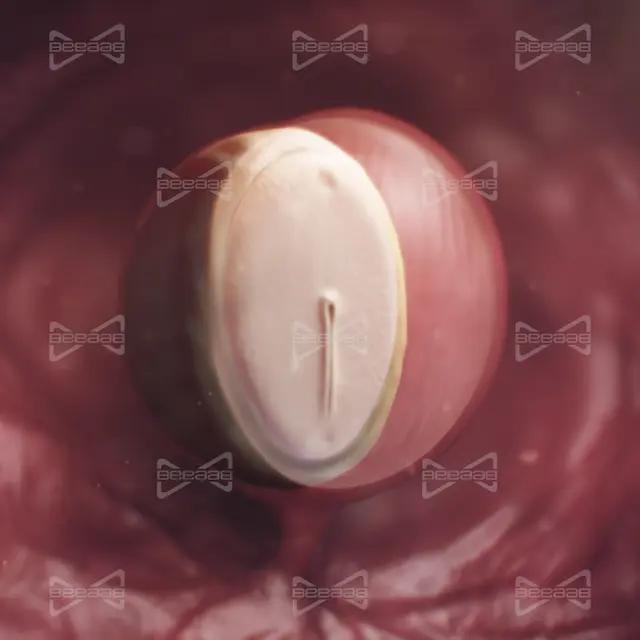
Week 4 of Pregnancy
In this week, your embryo, still very small, is undergoing critical developments. The embryo divides into two parts: one part becomes the placenta, which is responsible for providing nutrients and oxygen throughout pregnancy, and the other part continues to develop into the embryo, where the brain, spinal cord, and backbone begin to form. During this week, your body and the newly formed embryo are experiencing significant changes. For many women, this is the week they realize they are pregnant, as they may experience early pregnancy symptoms and notice a missed period. The embryo, now implanted in the uterine wall as a blastocyst, is about 0.1 to 0.2 millimeters in size. The cells of the blastocyst divide into two groups: those that will form the placenta and those that will develop into the embryo. At this stage, implantation continues, and the blastocyst is growing and developing further. Early pregnancy symptoms include a missed period, an increase in pregnancy hormones like hCG that lead to fatigue, nausea, and breast tenderness, and possibly light spotting or bleeding due to implantation.
Tests and Monitoring in Week 4
Many women can confirm their pregnancy this week with a home pregnancy test. These tests detect the presence of the hCG hormone in urine. For more accurate confirmation, you can visit your doctor for a blood test that measures the level of hCG.
If pregnancy is confirmed, you should contact your doctor or midwife to schedule your first prenatal visit. This visit typically occurs between the 6th and 8th week of pregnancy.
Lifestyle and Health Recommendations
Consuming a diet rich in vitamins and minerals such as folic acid, iron, calcium, and protein is very important. Additionally, it is recommended to start or continue taking prenatal supplements with an emphasis on folic acid. Don’t forget to drink plenty of water to stay hydrated.
If you are in good general health, light exercises like walking can be beneficial. If you are unsure about the type of exercises, be sure to consult with your doctor.
Ensure you get enough sleep and give your body regular rest, as you will need more energy during this period.
Yoga, meditation, and breathing exercises can help reduce stress and promote relaxation.
Avoid alcohol, drugs, smoking, and harmful chemicals that may harm the fetus.
Receiving emotional support from family and friends can be very helpful in reducing stress.
Pay attention to your physical changes and pregnancy symptoms, and consult your doctor if needed.
Week 4 of pregnancy is a very important time for the beginning of changes and early development of the embryo. Regular medical check-ups and following healthy lifestyle recommendations can help maintain your health and the baby’s health. If you have any concerns or questions, be sure to consult with your doctor or midwife.