
Week 7 of Pregnancy
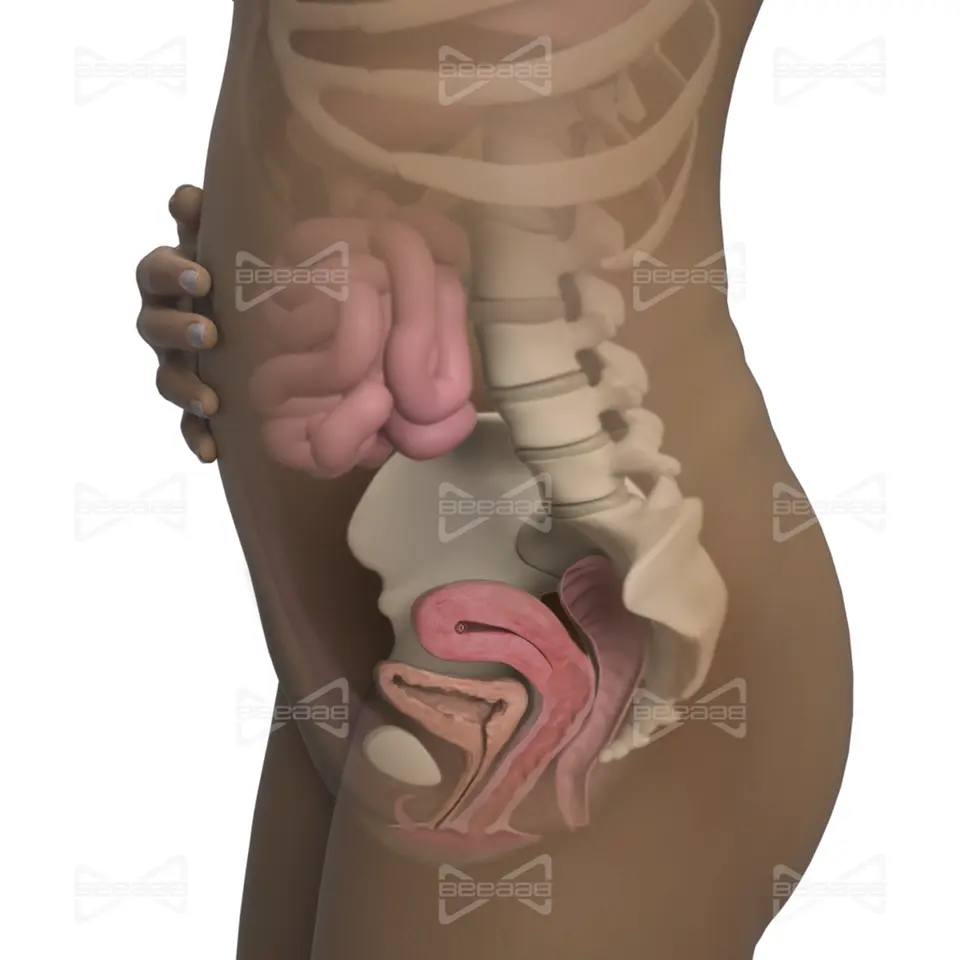
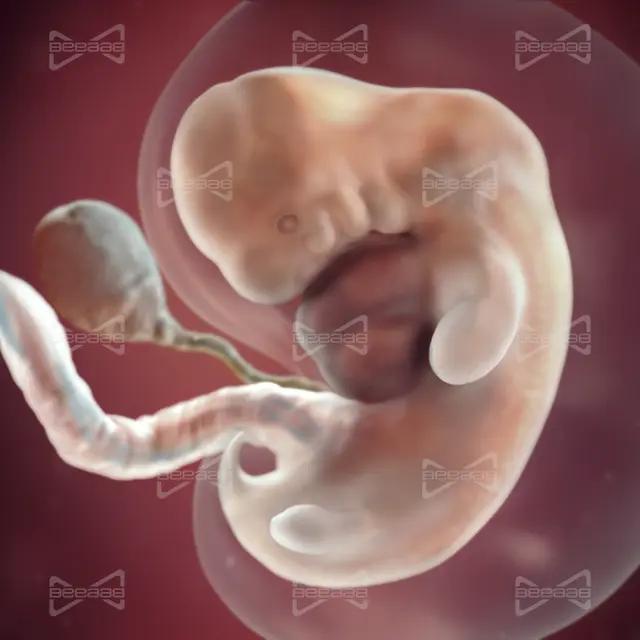
In the seventh week of pregnancy, your baby is rapidly growing, and significant changes are occurring in your body. At this stage, your baby's face is beginning to form; dark spots indicate where the eyes and nostrils will be, and the mouth and ears are also starting to develop. The baby’s brain is becoming more complex, and if you could take a peek, you would see the transparent skull. The nerve cells in the baby’s brain are growing at an astonishing rate of about 100,000 cells per minute. The baby is starting to make small, quick movements, but you likely won't feel these movements until around weeks 18 to 22 of pregnancy. Due to hormonal changes and the rapid increase in estrogen levels, you may experience symptoms such as food aversions and heightened sensitivity to smells. Pregnancy often brings on symptoms like sleep disturbances, nausea, heartburn, leg cramps, and even mood swings similar to premenstrual syndrome. During this period, emotional support from the father and family can help you cope with the early symptoms, as there are still about 33 weeks left until you meet your baby. For tips on managing nausea and dietary advice, you can consult your nutrition expert through 'BeeaaB Chat'.
The baby is about 1.3 centimeters long this week, roughly the size of a small blueberry. Major systems like the brain, spinal cord, and nervous system are rapidly developing. Hands and feet are beginning to take shape, with small bumps appearing for fingers and toes. The eyes, ears, and mouth are also developing. The baby's heart is beating at about 90 to 110 beats per minute. Internal organs such as the liver, kidneys, and lungs continue to grow.
Tests and Monitoring in Week 7
This week, some tests and checkups that were not performed in previous weeks might be conducted:
The first prenatal visit where the doctor conducts a complete physical examination, reviews your medical history, and performs initial tests.
Blood tests to check levels of pregnancy hormones such as hCG and progesterone, determine blood type and Rh compatibility, check hemoglobin levels and screen for infections like hepatitis B, HIV, and syphilis.
Urine tests to check for protein, sugar, and urinary infections.
If necessary, an ultrasound can be used to confirm pregnancy, assess the baby's health, and determine gestational age.
Lifestyle and Health Care in Week 7
At this stage of pregnancy, paying close attention to proper nutrition is very important. A balanced diet rich in vitamins and minerals such as folic acid, iron, calcium, and protein is essential. Also, avoiding alcohol, excessive caffeine, and drugs is crucial. Drinking enough water to stay hydrated is very important.
Gentle exercises like walking and prenatal yoga can help maintain your health and vitality, unless your doctor advises rest. Adequate rest and regular sleep are vital for your and your baby’s health, and using pregnancy pillows can increase your comfort during sleep.
Managing stress with relaxation techniques like yoga, meditation, and breathing exercises can help reduce stress and improve your overall health. It is also necessary to avoid harmful chemicals, cigarette smoke, and other environmental factors that might pose a risk to the baby.
Emotional support from family and friends during this stage can help you cope with physical and emotional changes. Being prepared for physical changes like weight gain, hormonal changes, and changes in your skin and hair is part of the pregnancy experience.
Week 7 of pregnancy is a critical time for your baby’s growth and development, as well as for the changes in your body. Regular medical check-ups and following healthy lifestyle recommendations can help maintain your and your baby’s health. If you have any concerns or questions, be sure to consult your doctor or midwife.