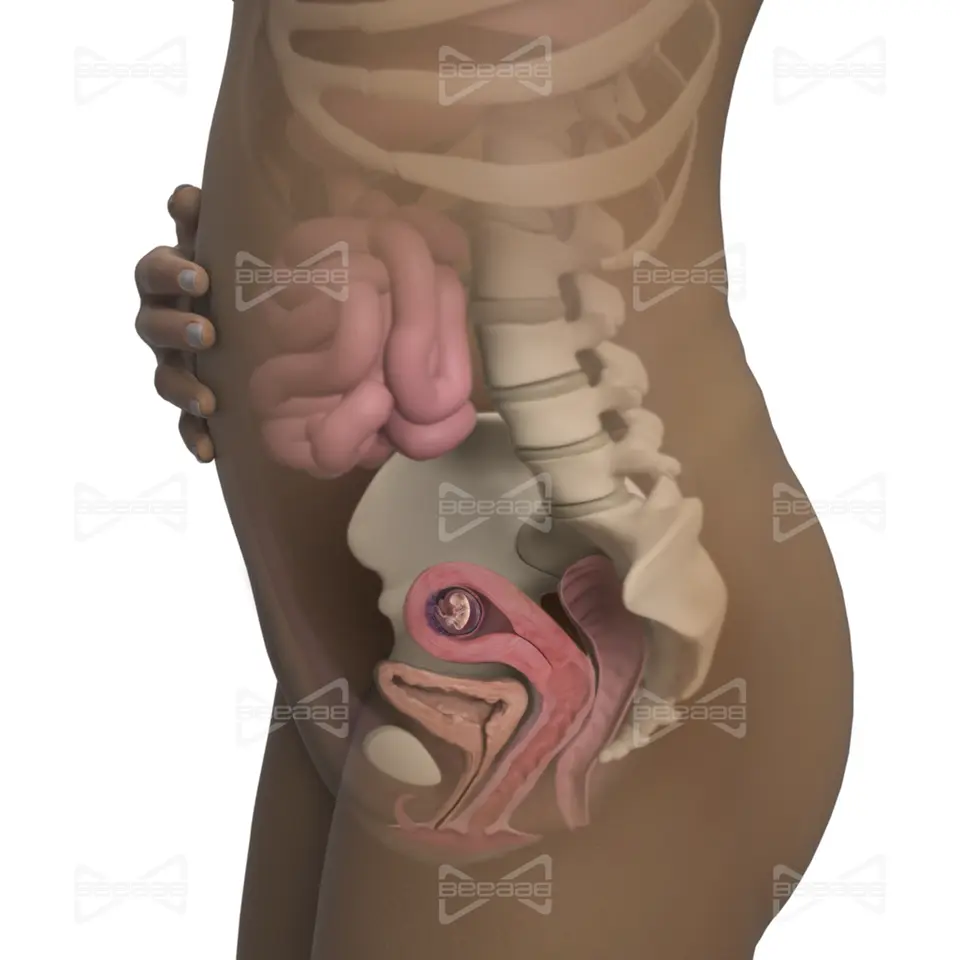

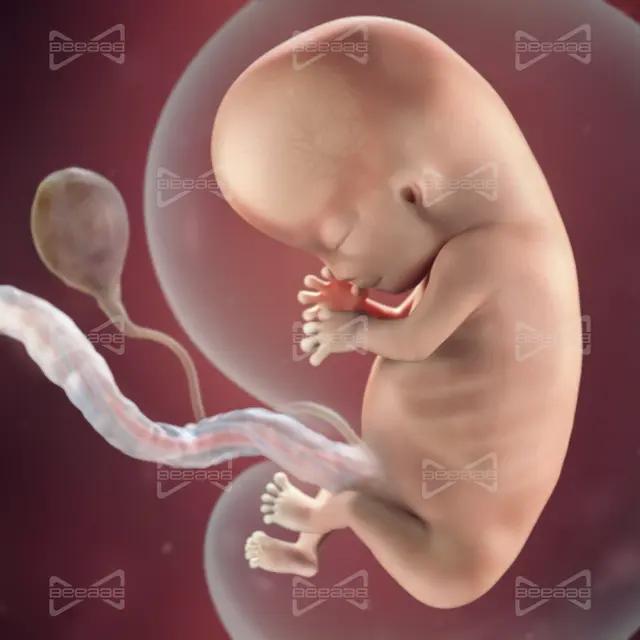
Week 10 of Pregnancy
In the tenth week of pregnancy, the baby's bones begin to harden, and the kidneys are now producing urine. At this stage, the baby's brain is growing at an astonishing rate, forming approximately 250,000 neurons per minute! By the end of this week, all of the baby's organs have formed. During the next visit, you may be able to hear the baby's fast heartbeat through a fetal Doppler. The eyes will not be able to open until week 27, but the eyelids have now formed.
For greater comfort, if you experience bloating, you can opt for low-rise pants or leggings. If you experience burning during urination, abdominal pain, along with cloudy and foul-smelling urine, be sure to consult your doctor, as you may need a course of antibiotics. You may also experience side effects such as excessive saliva production and increased vaginal discharge. If you notice these symptoms, contact your expert at BeeaaB Chat for guidance.
Monitoring and Tests in Week 10
Some tests and monitoring are conducted to assess the health of both the mother and the baby in the early first trimester, including:
An ultrasound is usually performed to check the baby's growth. This ultrasound helps confirm the gestational age, assess the baby's heartbeat, and evaluate fetal structures.
Non-invasive prenatal testing (NIPT) is done from week 10 to detect chromosomal abnormalities such as Down syndrome, Trisomy 18, and Trisomy 13. This test uses a sample of the mother's blood to examine the baby's DNA.
During your weekly or bi-weekly visits, the doctor may check your weight, blood pressure, the baby's heartbeat, and discuss any questions or concerns you may have. The doctor may also talk about nutrition, vitamin supplements, and any necessary medications.
The first-trimester combined screening is usually done between weeks 11 and 14 of pregnancy and consists of two parts: A blood test to measure two protein markers, PAPP-A and hCG, in the mother's blood. These tests help detect chromosomal abnormalities like Down syndrome.
An ultrasound (Nuchal Translucency) measures the thickness of the fluid at the back of the baby's neck, which can help identify chromosomal abnormalities such as Down syndrome.
These tests and monitoring help doctors better assess the health of both mother and baby and take appropriate action if necessary.