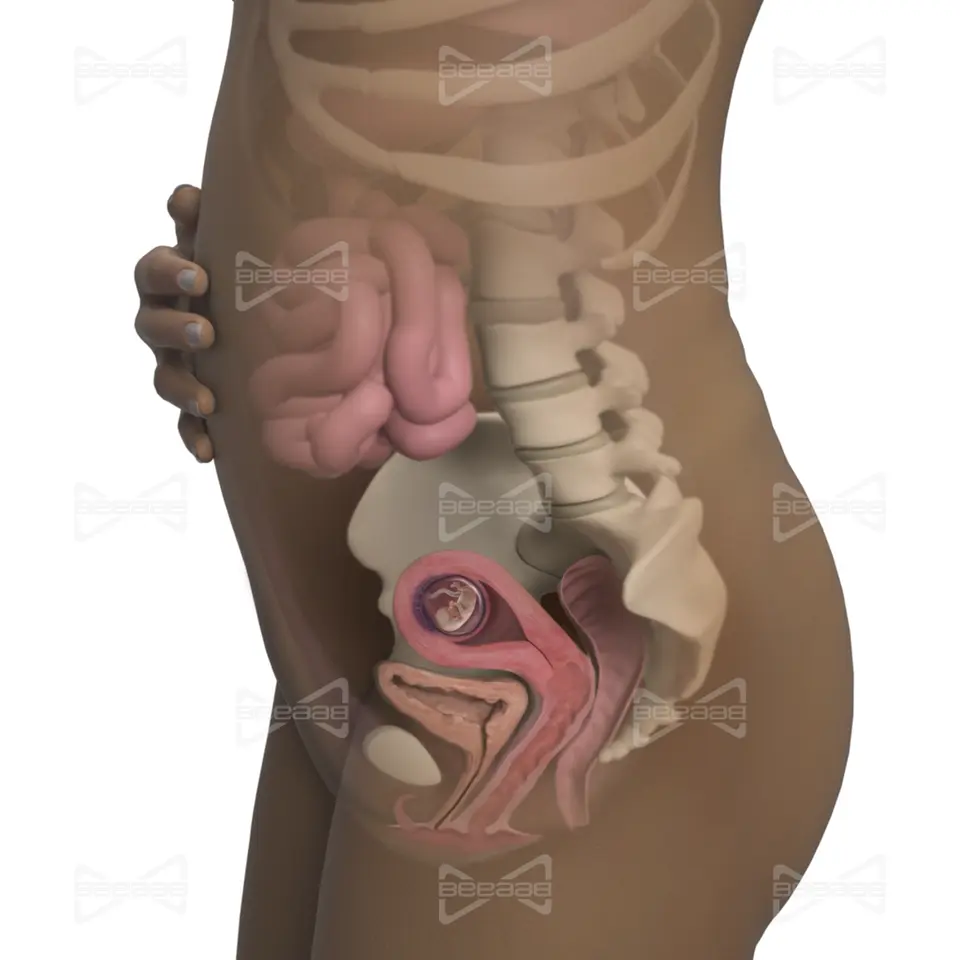

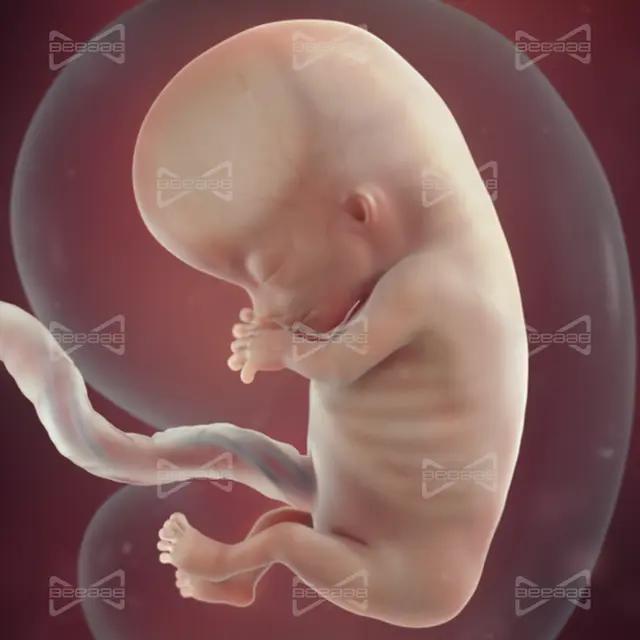
Week 11 of Pregnancy
During this week, your baby can "breathe" underwater, inhaling and exhaling small amounts of amniotic fluid, which helps the lungs develop. The ears are also growing, and although the baby’s head is still disproportionately large, it will gradually become more proportional as development continues in the womb. The baby is stretching and moving, but you probably won’t feel these movements until around week 16. This week, all of the baby’s vital organs have formed, and many of them have started functioning. The external genitalia are beginning to develop, and in a few weeks, you’ll be able to find out through an ultrasound whether your baby is a boy or a girl. The baby’s face now closely resembles a human face, and the lungs are further maturing. If you have a family history of any specific genetic disorders, be sure to consult your doctor; genetic counseling might be necessary. The best time for a Chorionic Villus Sampling (CVS) is between weeks 10 and 12. This test can detect chromosomal and other genetic conditions. If you experience bloating, constipation, or heartburn, make sure to notify BeeaaB Chat for the necessary guidance.
Tests and Monitoring in Week 11 of Pregnancy
Some tests and monitoring may be done this week if they weren’t done the previous week. This week is part of the first trimester, and typically several important tests and screenings are performed during this time:
Blood Test: In the first prenatal visit, a blood test is performed to check hemoglobin levels, blood type, Rh factor, and infections such as HIV, hepatitis B, and syphilis. These tests help assess the overall health of the mother.
Urine Test: A urine test is done to detect urinary infections, protein, and glucose. This test is usually repeated at each prenatal visit.
First-Trimester Combined Screening: This screening is usually performed between weeks 11 and 14 and includes two parts: A blood test to measure two protein markers, PAPP-A and hCG, in the mother’s blood. These tests help detect chromosomal abnormalities like Down syndrome.
An ultrasound (Nuchal Translucency) to measure the thickness of the fluid at the back of the baby’s neck, which can help identify chromosomal abnormalities such as Down syndrome.
Non-Invasive Prenatal Testing (NIPT): This test is done from week 10 to detect chromosomal problems like Down syndrome, Trisomy 18, and Trisomy 13. It uses a sample of the mother’s blood to examine the baby’s DNA.
During your weekly or bi-weekly visits, the doctor may check your weight, blood pressure, the baby’s heartbeat, and review any symptoms or concerns you might have. The doctor might also discuss nutrition, vitamin supplements, and any necessary medications.
These tests and monitoring help doctors better assess the health of the mother and the baby and take appropriate actions if necessary.