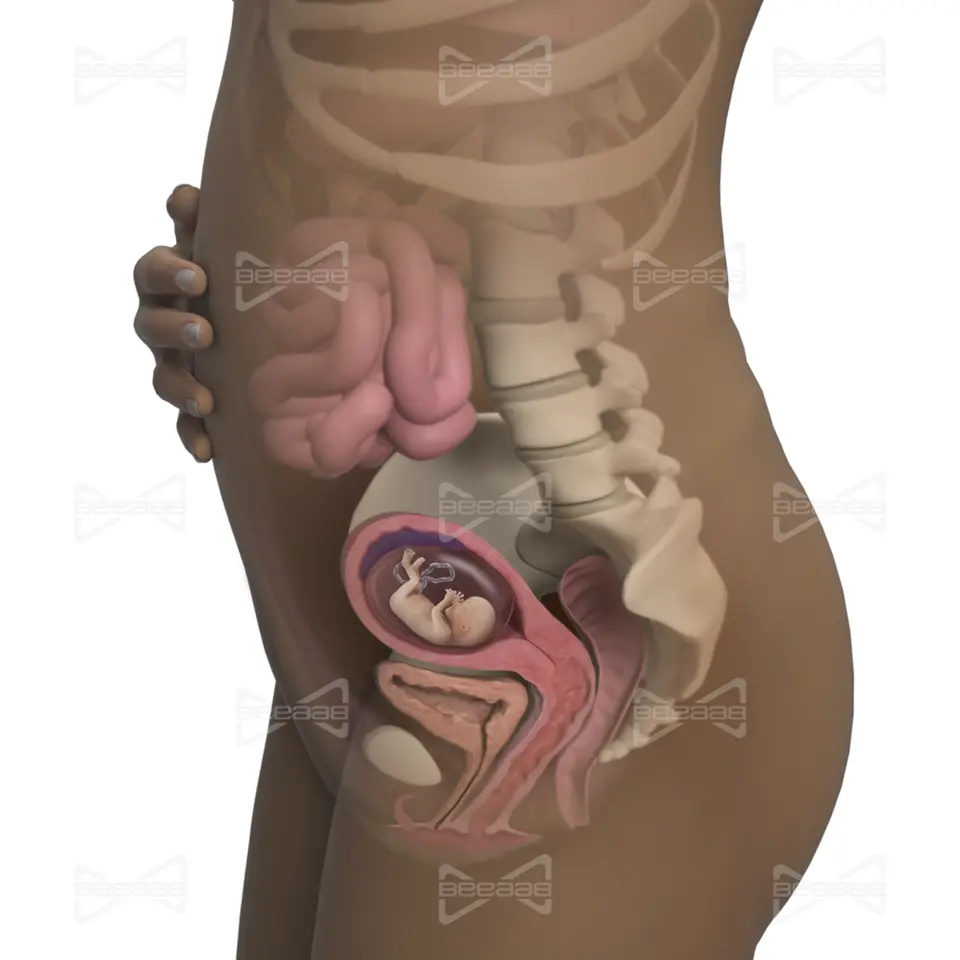


Week 13 of Pregnancy
Your baby is continuously growing and becoming more beautiful, and their face is becoming more human-like each day. The ears have moved up from the neck to their proper position, and the eyes, which are likely the same color as yours, have moved from the sides of the head to the front of the face. Until now, the head was larger than the body, but now the body is growing faster. The roof of the baby’s mouth is now fully formed. The legs still need to grow longer, but this week, the arms will stretch to match the body, and the baby can place their thumb in their mouth. At this stage, all of the baby’s essential organs and systems have formed.
Tests and Monitoring for Week 13 of Pregnancy
Several routine tests and monitoring, if not performed last week, may be conducted and reviewed this week to assess the health of the mother and the baby. This week, several important tests and screenings are typically performed:
A blood test during the initial prenatal visit checks for hemoglobin levels, blood type, Rh factor, and screens for infections such as HIV, hepatitis B, and syphilis. These tests help assess overall maternal health. A urine test is conducted to detect urinary tract infections, protein, and glucose and is usually repeated at every prenatal visit.
The first trimester combined screening, usually performed between weeks 11 and 14 of pregnancy, includes two parts: a maternal blood test measuring two protein markers, PAPP-A and hCG, which helps in detecting chromosomal abnormalities like Down syndrome, and an ultrasound (Nuchal Translucency) to measure the thickness of the fluid at the back of the baby’s neck, aiding in detecting chromosomal abnormalities such as Down syndrome.
Non-Invasive Prenatal Testing (NIPT), available from the 10th week of pregnancy, can detect chromosomal conditions such as Down syndrome, trisomy 18, and trisomy 13 by analyzing fetal DNA from a blood sample of the mother.
During weekly or bi-weekly visits, the doctor will monitor your weight, blood pressure, and the baby’s heartbeat and discuss any symptoms or concerns you might have. The doctor will also provide guidance on nutrition, vitamin supplements, and necessary medications.
Amniocentesis (if needed), recommended by the doctor if previous screenings show concerning results or if the mother is over 35 years old, is used to detect chromosomal abnormalities like Down syndrome. This test is usually performed between weeks 15 and 20 of pregnancy.
These tests and monitoring help doctors better assess the health of the mother and the baby and take appropriate actions if needed.