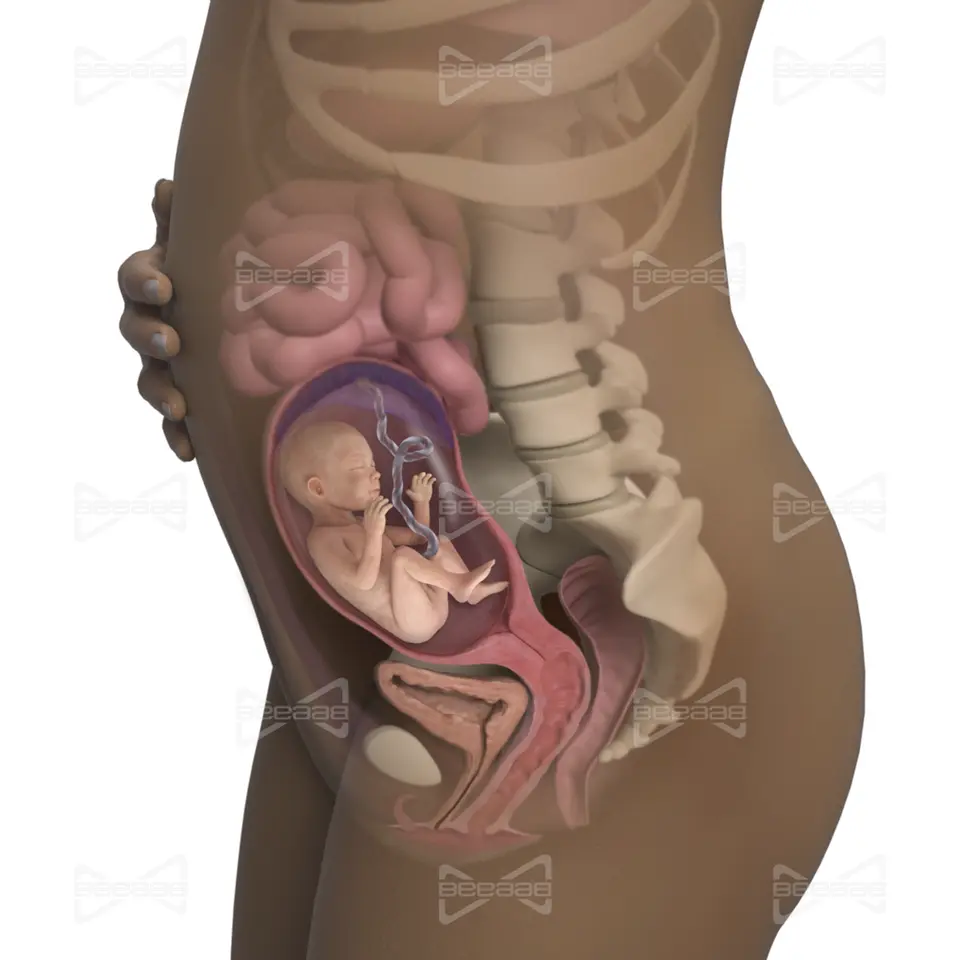


Week 22 of Pregnancy
In the 22nd week of pregnancy, your baby’s transparent skin is now becoming more opaque. However, until more fat fills it out, it will remain wrinkled, red, and covered with vernix. Also, this week, your baby’s sense of touch is becoming well-developed thanks to the growth of brain cells and nerve endings. Your baby may start testing these new skills by touching their face or anything else within reach. This week, the baby’s eyebrows begin to grow, and hair starts to sprout on the scalp. Your baby may have thick dark hair or might be born bald. Good sleep is essential for a healthy pregnancy, with specific needs and characteristics. During the day, drink the recommended amount of fluids, and reduce beverage intake three to four hours before bedtime for better sleep hygiene. Good sleep should be timely, regular, sufficient, and deep. Sleep on your left side, especially after the first trimester. When sleeping, keep your head elevated to prevent acid reflux, and avoid eating two to three hours before sleep. BeeaaB HealtH reminders: Ensure adequate intake of omega-3 fatty acids, especially DHA, iron, choline, and calcium through your diet as recommended.
Tests and Screenings in the 22nd Week
During this period, in addition to continuing routine care, some tests and screenings may be performed this week if they were not done in previous weeks to monitor the health of both mother and baby. These tests and screenings include the following:
Anomaly ultrasound (anomaly scan), one of the most important screenings at this time, is conducted to check for structural abnormalities in the fetus. It examines the brain, heart, kidneys, spine, face, hands, and feet of the fetus, as well as the position of the placenta, amniotic fluid, and fetal growth.
Urine tests are conducted to check for urinary infections and other kidney issues. This test evaluates the levels of protein, glucose, and the presence of bacteria or infections.
Maternal blood pressure screening is performed to identify signs of preeclampsia. This screening checks for high blood pressure, protein in the urine, and other symptoms of preeclampsia, such as severe headaches or changes in vision.
Weight assessment for dietary and nutritional needs and the overall health status of the mother.
The glucose screening test, usually conducted between weeks 24 and 28, may be ordered by some doctors in the 22nd week to assess the risk of gestational diabetes by measuring blood glucose levels after consuming a sugary drink.
In this week, the mother should also monitor the number and type of fetal movements and report any changes or decreases in movements to the doctor. Counseling and education are also provided to the mother regarding body changes, proper nutrition, permitted and prohibited activities, and care tips to address maternal mental and emotional health, stress, and concerns.
These care measures and tests help doctors ensure the health of both mother and fetus and to identify and manage any issues promptly. If you have further questions or need more detailed information, please feel free to ask.