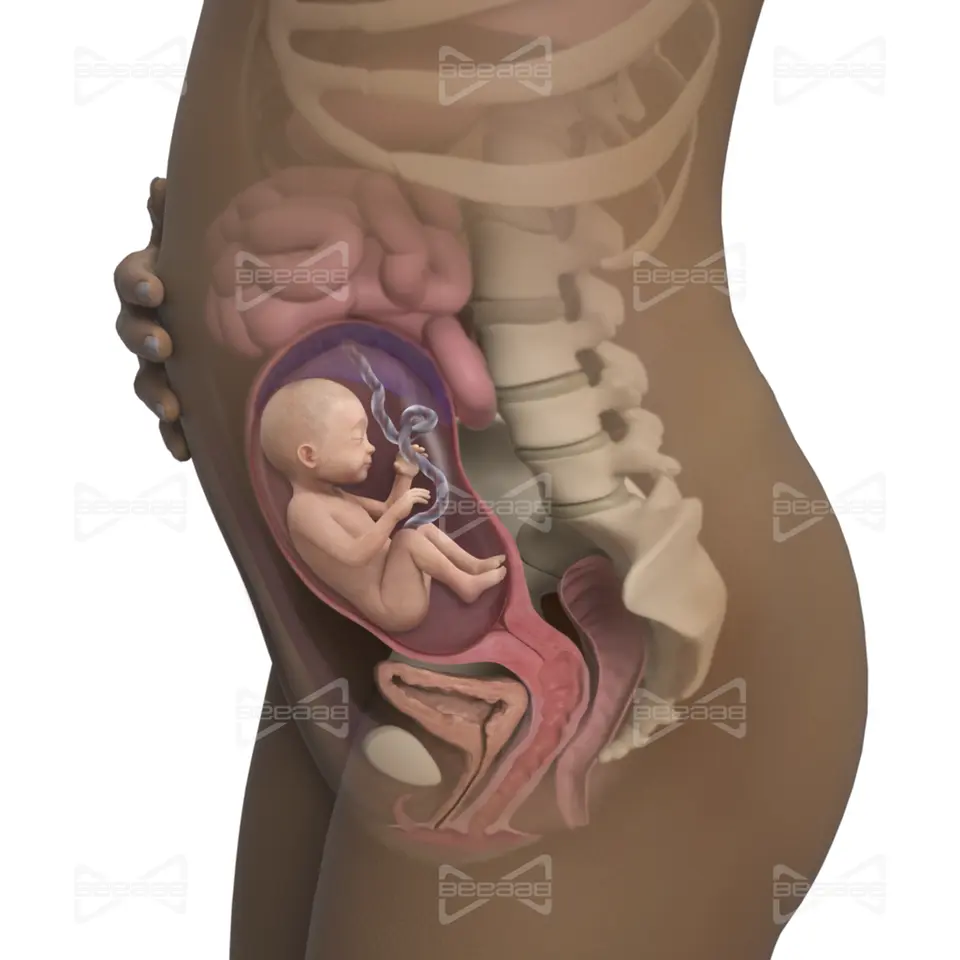

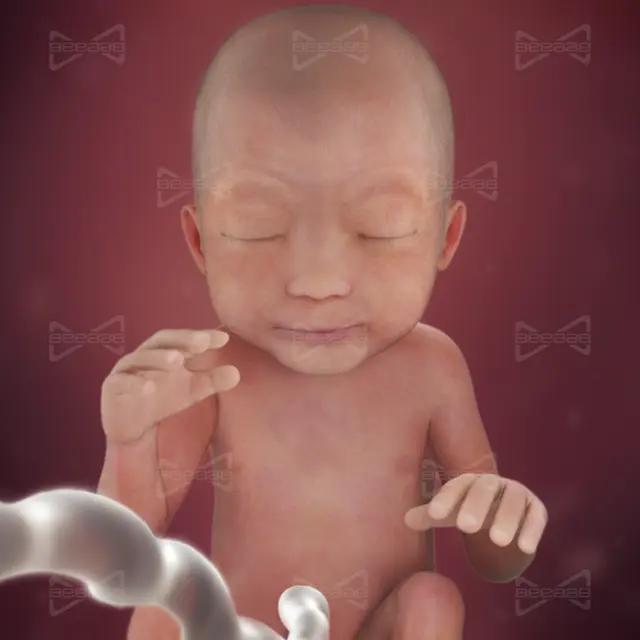
Week 24 of Pregnancy
If you want to ease your worries, it's good to know that from this week, your baby can survive outside the womb with special care, and from the 32nd week, even without such care. However, the best environment for your beloved one is still the mother's womb, so we will continue the best possible care for the next 18 weeks. BeeaaB HealtH recommends drinking the equivalent of three liters of water daily, reducing salt intake, and, as always, avoiding alcohol. Please avoid sitting or standing for long periods, elevate your legs with the help of a pillow while sleeping, and consider playing in a small inflatable pool. Don’t forget to wear medical socks, and you can consult your doctor about the appropriate type. Also, wear comfortable underwear made of organic, non-GMO cotton. Prenatal care and various tests will continue to ensure the health of both mother and baby.
Tests and Screenings in the 24th Week
If some tests and screenings haven’t been done in previous weeks, they may be prescribed this week. The most important biochemical tests and screenings this week include:
The glucose screening test, usually conducted between weeks 24 and 28, is done to assess the risk of gestational diabetes by measuring blood glucose levels after consuming a sugary drink.
The anomaly ultrasound (anomaly scan), one of the most important screenings, may still be prescribed if it hasn’t been done by this week. This screening is conducted to check for structural abnormalities in the fetus, measuring the brain, heart, kidneys, spine, face, hands, and feet of the fetus, as well as the position of the placenta, amniotic fluid, and fetal growth.
A urine test is conducted to check for urinary infections and other kidney issues. This test evaluates the levels of protein, glucose, and the presence of bacteria or infections.
Maternal blood pressure screening is performed to identify signs of preeclampsia. This screening checks for high blood pressure, protein in the urine, and other symptoms of preeclampsia, such as severe headaches or changes in vision.
Weight assessment for dietary and nutritional needs and the overall health status of the mother.
This week, the mother should also monitor the number and type of fetal movements and report any changes or decreases in movements to the doctor. Counseling and education are also provided to the mother regarding body changes, proper nutrition, permitted and prohibited activities, and care tips to address maternal mental and emotional health, stress, and concerns.
These tests and care measures help doctors ensure the health of both mother and fetus and to identify and manage any issues promptly. If you have further questions or need more detailed information, please feel free to ask.