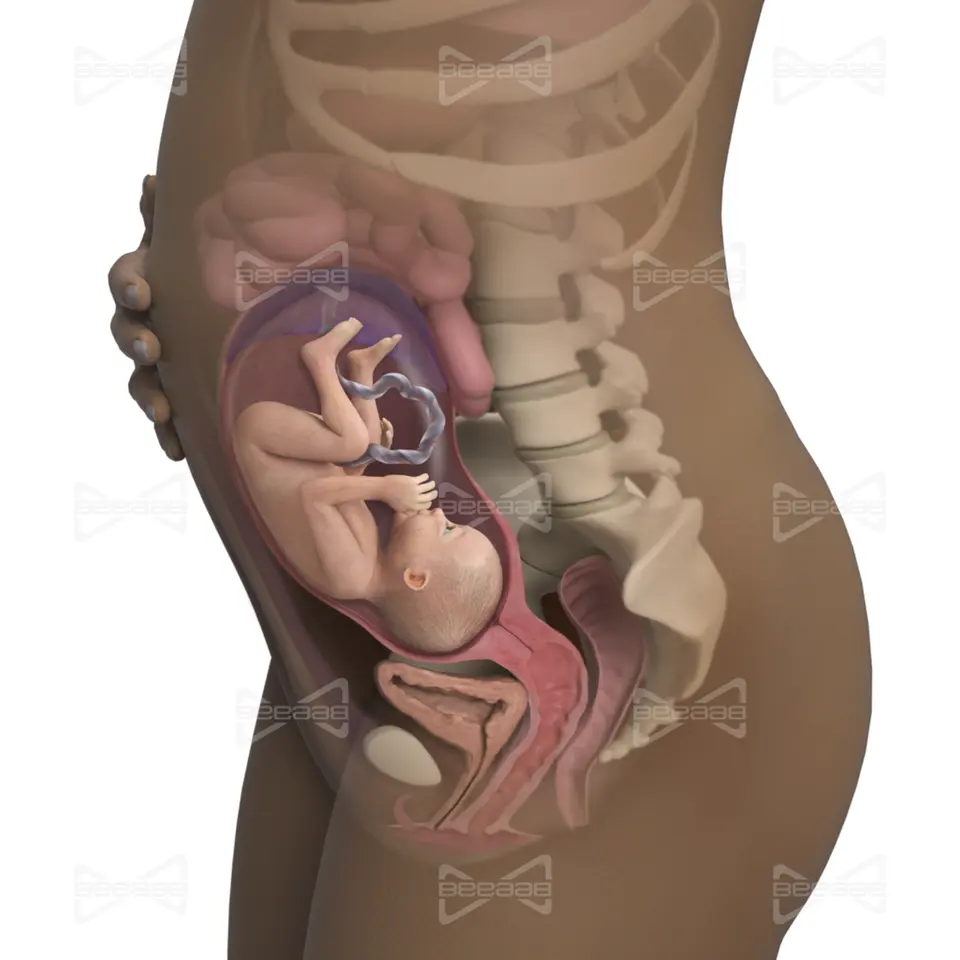


Week 27 of Pregnancy
Congratulations on entering the third trimester! Your baby may now experience occasional hiccups for several weeks, and you might actually start feeling these hiccups caused by involuntary diaphragm movements. In adults, this is associated with the quick closure of the vocal cords, producing the familiar 'hic' sound. However, since the baby’s trachea is filled with fluid instead of air, fetal hiccups do not produce any sound. These hiccups may cause your belly to jump, which is delightful to see and feel. Please report any potential food sensitivities to BeeaaB HealtH.
Tests and Screenings in the 27th Week
The most important biochemical monitoring and other screening tests, if not performed in previous weeks, may be conducted and reviewed this week, including:
The glucose screening test is performed to diagnose gestational diabetes. In this test, the mother drinks a sugary solution, and then blood samples are taken at specific intervals to measure blood glucose levels. This test is usually conducted between the 24th and 28th weeks of pregnancy.
A complete blood count (CBC) test is performed to check for anemia and levels of hemoglobin and hematocrit. Anemia is common in pregnancy and can be due to the body’s increased need for iron and other nutrients.
A urine test is conducted to check for urinary infections and other kidney issues. This test evaluates the levels of protein, glucose, and the presence of bacteria or infections. Protein in the urine can be an indication of preeclampsia.
Additional ultrasounds may be prescribed if needed, depending on the pregnancy status and the doctor’s opinion, to assess fetal growth and the amount of amniotic fluid.
Blood pressure should be measured as elevated blood pressure can be a sign of preeclampsia, a dangerous condition during pregnancy. This week, the doctor may ask the mother to monitor and count fetal movements, as this can indicate the baby’s well-being.
These tests and screenings are essential for ensuring the health of both mother and baby and for early detection of potential problems. If your doctor has any specific recommendations, be sure to follow them.