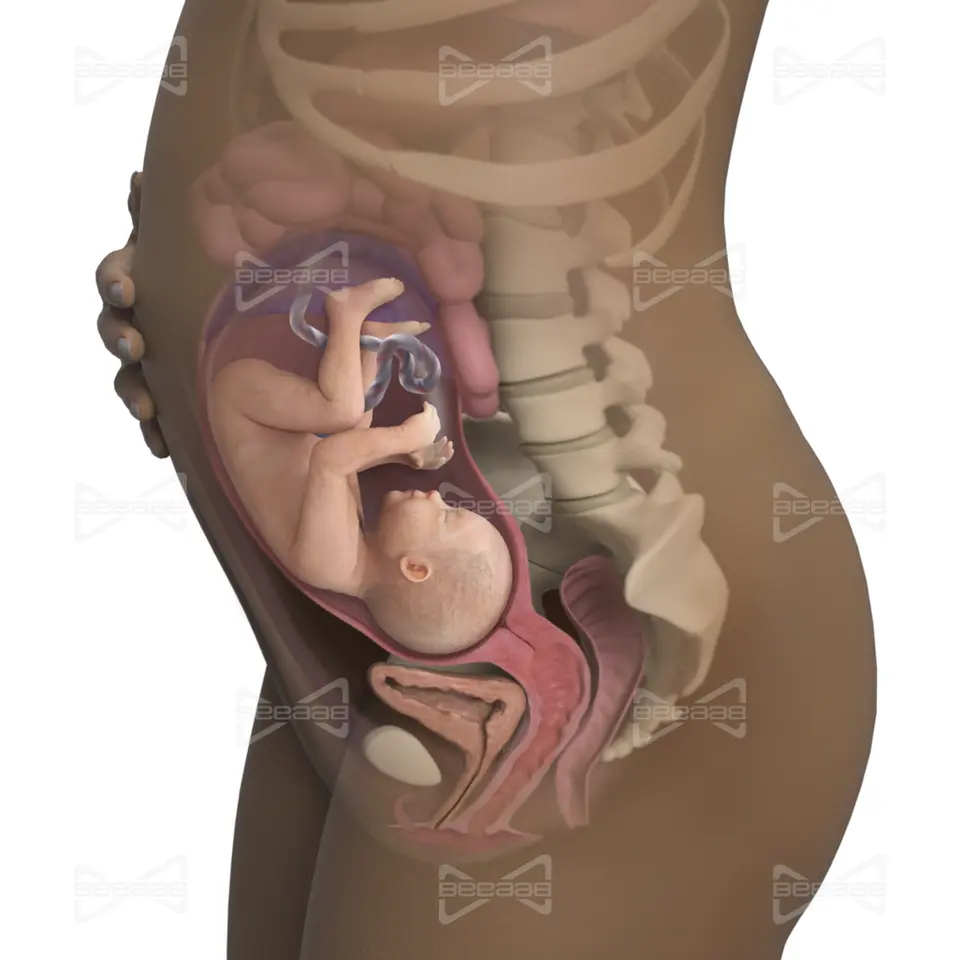


Week 29 of Pregnancy
Your baby is getting stronger by the moment. This week, their kicks, pressures, and rolls are likely to become more frequent and powerful. So, don’t be surprised if you feel like you have a few strong karate masters in your belly! At this time, the part of the baby’s brain associated with intelligence and personality is becoming much more complex. Based on the baby’s reactions to foods, BeeaaB HealtH ensures that all their micronutrient and macronutrient needs are met.
Tests and Screenings in the 29th Week
Routine tests and screenings to ensure the health of the mother and baby, if not already done in previous weeks, may be conducted and reviewed this week. These tests and screenings include:
A glucose screening test is performed to diagnose gestational diabetes. If the results of the previous glucose tolerance test were abnormal, the doctor might request another test.
A complete blood count (CBC) test is conducted to check for anemia, hemoglobin levels, and hematocrit. Anemia during pregnancy needs to be monitored to ensure that both the mother and the baby have sufficient iron and other nutrients.
A urine test is performed to check for the presence of protein, glucose, and infection. Protein in the urine can be a sign of preeclampsia, which requires special care.
The anti-D test is conducted if the mother is RH-negative. If the mother is RH-negative and has not yet received the RH immunoglobulin anti-D injection, it may be done at this time.
Additional ultrasounds may be prescribed if needed, based on the doctor’s opinion, to assess the baby’s growth, the position of the placenta, and the amount of amniotic fluid.
Special tests may be recommended depending on the mother’s and baby’s condition.
Regular blood pressure monitoring is crucial for early detection of preeclampsia or pregnancy-induced hypertension. As in previous weeks, the doctor may ask the mother to monitor and count the baby’s movements. A decrease in fetal movements can be a sign of a problem that needs further investigation. At this stage of pregnancy, the doctor may discuss preparation for labor, signs of preterm labor, and other important points with the mother.
These tests and screenings are conducted to ensure the health of both mother and baby and to prevent potential problems. Always follow your doctor’s recommendations and discuss any questions or concerns with them.