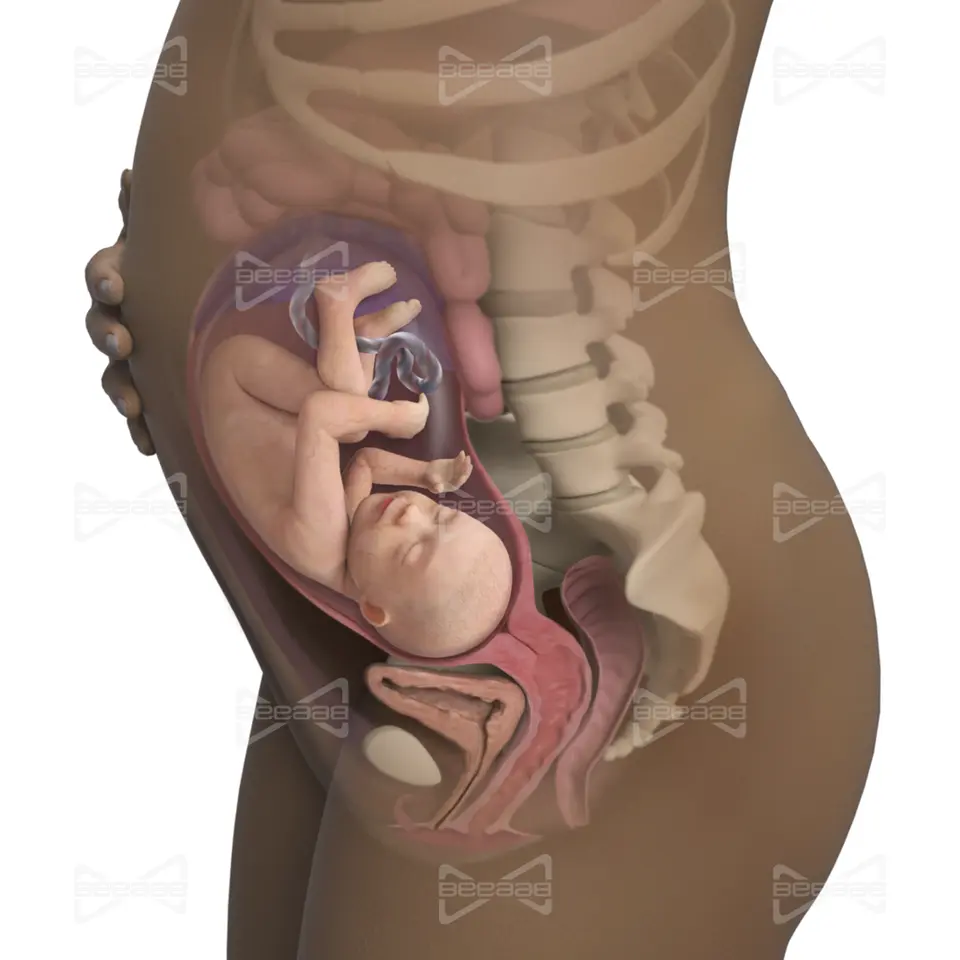


Week 30 of Pregnancy
From this stage onward, your baby gains about 220 grams each week. Now, all of their major body systems are in place and functioning. The baby’s fat tissue also helps regulate body temperature after birth and provides the necessary energy. As the baby continues to gain fat and grow larger, you may notice their movements becoming less frequent—because it’s getting harder for them to maneuver. However, if you feel no movement at all, inform your doctor. To complete the development of the nervous system, the baby absorbs more fat, causing their arms and legs to become chubbier and their skin to thicken. Consider taking an infant CPR course. BeeaaB HealtH can assist you through remote learning. Additionally, pay closer attention to artificial sweeteners in sodas and sweets, and avoid consuming pre-packaged foods containing acesulfame, agave nectar, aspartame, high fructose corn syrup, saccharin, stevia, sucralose, or Splenda as much as possible.
Tests and Screenings in the 30th Week
Routine tests and screenings to ensure the health of the mother and baby, if not already done in previous weeks, may be conducted and reviewed this week. These screenings include:
A complete blood count (CBC) test is conducted to check for anemia, hemoglobin levels, and hematocrit. Anemia during pregnancy needs to be monitored to ensure that both the mother and the baby have sufficient iron and other nutrients.
A urine test is performed to check for the presence of protein, glucose, and infection. Protein in the urine can be an indicator of preeclampsia, which requires special care.
The anti-D test is conducted if the mother is RH-negative. If the mother is RH-negative and has not yet received the RH immunoglobulin anti-D injection, it may be done at this time.
Additional ultrasounds may be prescribed if needed, based on the doctor’s opinion, to assess the baby’s growth, the position of the placenta, and the amount of amniotic fluid.
Special tests may be recommended depending on each pregnancy's conditions and potential issues.
At this stage, the doctor may recommend the Tdap vaccine (tetanus, diphtheria, and pertussis) to protect both mother and baby from these diseases.
Regular monitoring of blood pressure is crucial for the early detection of preeclampsia or pregnancy-induced hypertension. As in previous weeks, the doctor may ask the mother to monitor and count the baby’s movements. A decrease in fetal movements can be a sign of a problem that needs further investigation. At this stage of pregnancy, the doctor may discuss preparation for labor, signs of preterm labor, and other important points with the mother. This includes advice on nutrition, appropriate pregnancy exercises, and issues related to newborn care.
These tests and screenings are conducted to ensure the health of both mother and baby and to prevent potential problems. Always follow your doctor’s recommendations and discuss any questions or concerns with them.