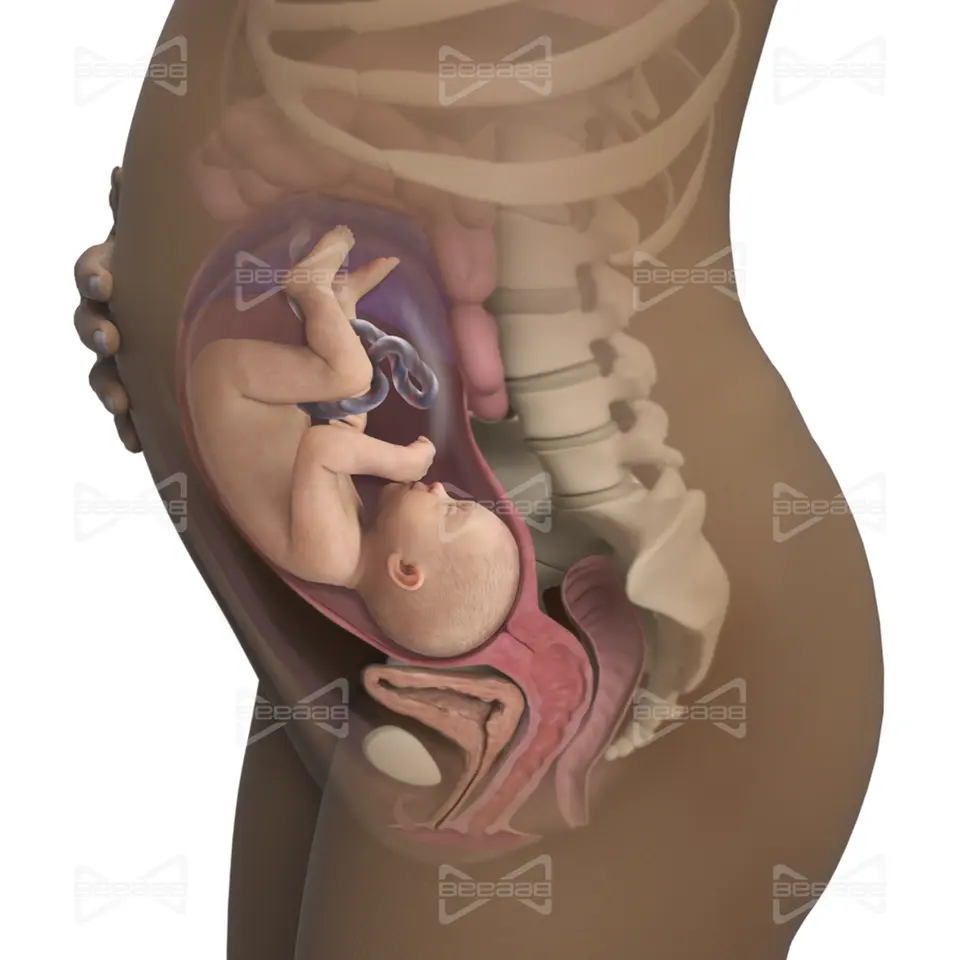

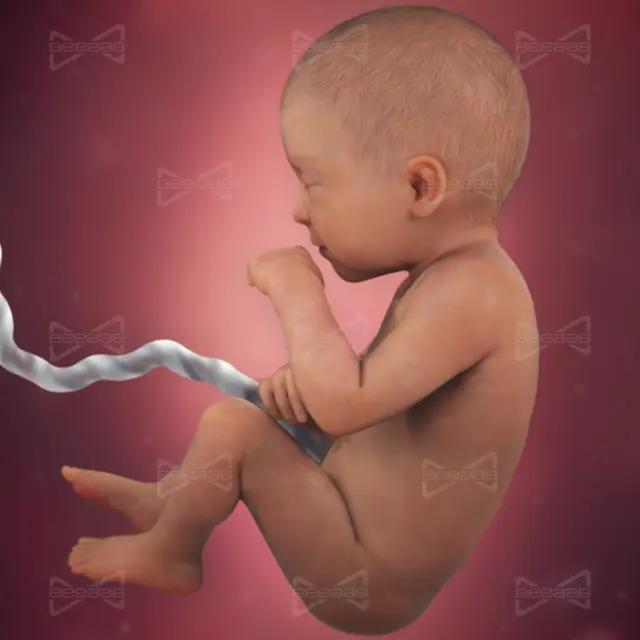
Week 31 of Pregnancy
During the third trimester, our concerns about infections and the side effects of medications are much lower. Although the baby is asleep most of the time, feeling six movements per hour indicates their well-being. Please adjust the distance between the table and chair while eating so that you don't bend over and put pressure on your respiratory organs with your uterus and stomach.
Tests and Screenings in the 31st Week
Important screenings and tests to ensure the health of the mother and baby, if not done in previous weeks, may be conducted and reviewed this week. Additionally, specific nutritional recommendations should also be followed. Below are the most important points:
A complete blood count (CBC) test is conducted to check for anemia, hemoglobin levels, and hematocrit. Anemia during pregnancy needs to be monitored to ensure that both the mother and the baby have sufficient iron and other nutrients.
A urine test is performed to check for the presence of protein, glucose, and infection. Protein in the urine can be an indicator of preeclampsia, which requires special care.
The anti-D test is conducted if the mother is RH-negative. If the mother is RH-negative and has not yet received the RH immunoglobulin anti-D injection, it may be done at this time.
Additional ultrasounds may be prescribed if needed, based on the doctor’s opinion, to assess the baby’s growth, the position of the placenta, and the amount of amniotic fluid.
Special tests may be recommended depending on the conditions of the mother and baby.
Regular monitoring of blood pressure is crucial for the early detection of preeclampsia or pregnancy-induced hypertension. As in previous weeks, the doctor may ask the mother to monitor and count the baby’s movements. A decrease in fetal movements can be a sign of a problem that needs further investigation.
Nutritional Recommendations
Adequate Protein Intake: Protein is essential for the growth of the baby and the strengthening of the mother’s body tissues. Good sources of protein include lean meats, fish, eggs, dairy, and legumes.
Iron Intake: To prevent anemia, it is recommended to consume iron-rich foods like red meat, poultry, fish, dark leafy greens, and legumes. Consuming vitamin C with iron-rich foods can enhance iron absorption.
Calcium: To maintain the mother’s bone health and aid in the baby’s bone development, it is important to consume dairy products, leafy green vegetables, almonds, and calcium-fortified products.
Folic Acid: To prevent neural tube defects in the baby, it is recommended to consume foods rich in folic acid such as leafy green vegetables, citrus fruits, legumes, and folic acid supplements.
Hydration: Drinking enough water is crucial to prevent dehydration and help the body function better. At least 8-10 glasses of water per day are recommended.
Fiber: To prevent constipation, which is common during pregnancy, it is essential to consume fiber-rich foods such as fruits, vegetables, legumes, and whole grains.
Limiting Salt and Sugar Intake: Excessive consumption of salt and sugar can lead to problems such as high blood pressure and gestational diabetes. Therefore, intake of these substances should be limited.
Taking Prenatal Supplements: Your doctor may prescribe prenatal vitamins and minerals that should be taken regularly.
General Tips
Gentle exercises like walking, swimming, and yoga can help maintain health and reduce stress.
Getting enough rest and sleep is important for regaining energy and reducing stress.
Maintaining a positive mindset and reducing stress and anxiety through relaxation techniques like meditation, yoga, and counseling is beneficial.
Following these recommendations and consulting with your doctor can help maintain the health of the mother and baby and lead to a healthy pregnancy.