
Week 36 of Pregnancy
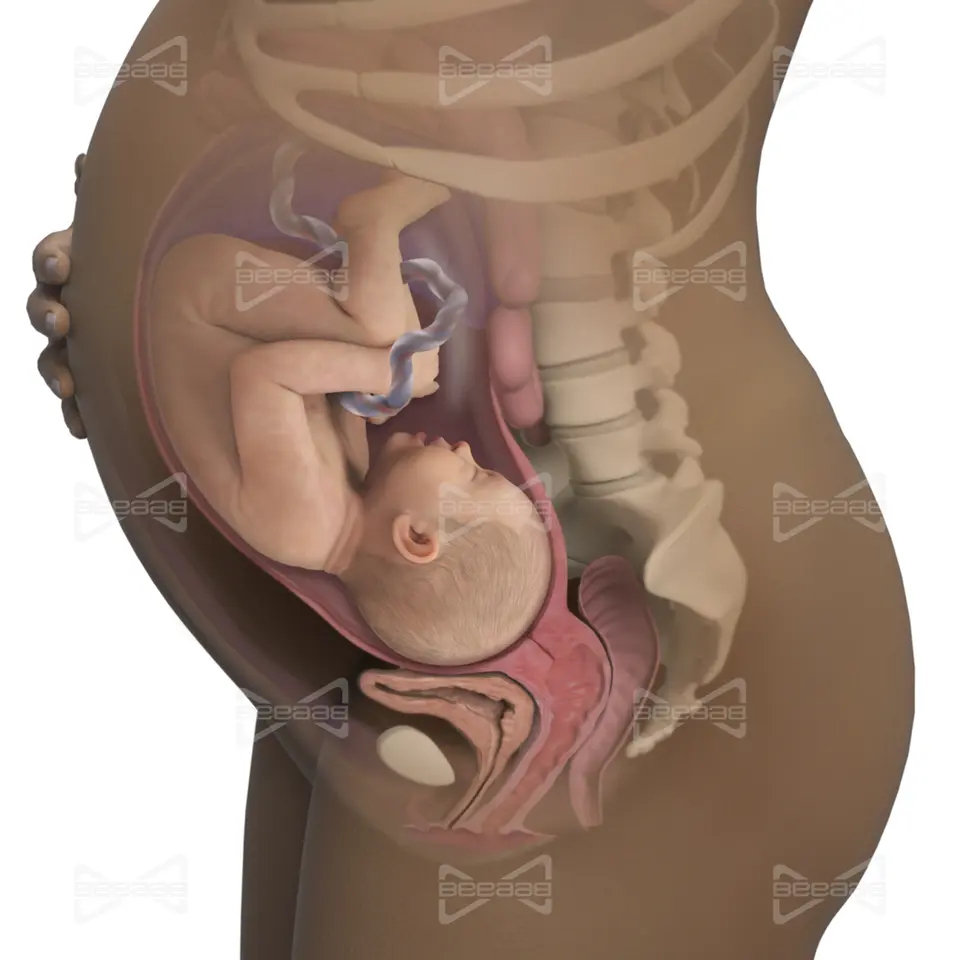
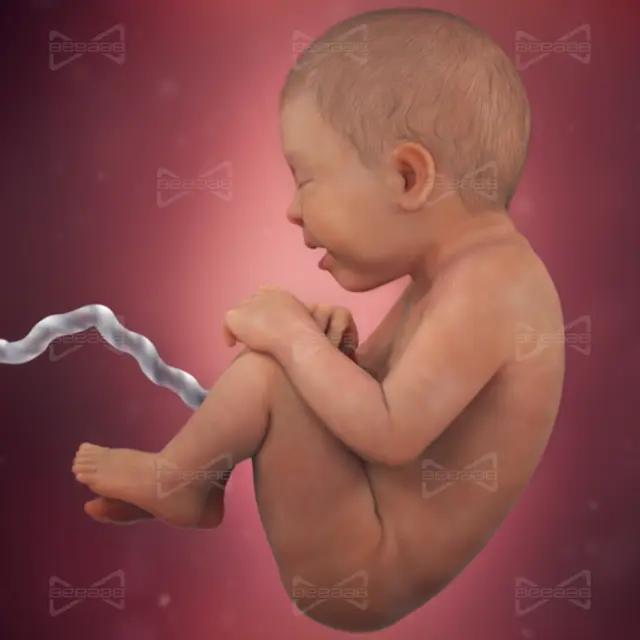
Your baby is now busy storing up as much fat as possible, and this layer of fat has now made their face rounder. This fat accumulation (around 15% of the baby's total weight) helps them maintain body temperature and store energy. Their sucking muscles, which are quite strong, have now fully developed, and your baby is ready for their first real feeding. Soon after birth, your baby will eagerly await breastfeeding. During this stage, the top of your uterus will be a few centimeters below your breastbone, so please visit your obstetrician’s office at least once a week from this week onwards. You can enjoy BeeaaB Health music with your baby. Please talk to your baby, read to them, and remember that from week 16, your baby can hear the sounds around them and can even recognize your voice and the father's voice quite well.
Tests and Monitoring in Week 36
Various biochemical tests and screenings are still performed to ensure the health of both the mother and the baby. These include:
Group B Streptococcus (GBS) Test: This test is done to detect the presence of GBS bacteria, which can cause complications for the baby during childbirth. If the test is positive, antibiotics are typically administered during labor.
Complete Blood Count (CBC): This test checks for anemia, hemoglobin levels, hematocrit, and other parameters related to the mother's general health.
Urine Test: This test checks for protein, glucose, and infections in the urine. Protein in the urine can indicate preeclampsia, which requires special care.
Additional Ultrasound Scans (if needed): These are used to assess the baby’s growth, amniotic fluid levels, and the baby's position (head down or breech).
Regular Blood Pressure Checks: It is crucial to monitor blood pressure to detect preeclampsia or pregnancy-induced hypertension. As in previous weeks, your doctor may ask you to monitor the baby’s movements and count them, and they may perform Non-Stress Tests (NST) or a Biophysical Profile (BPP) to ensure the baby’s well-being.
Lifestyle and Health Recommendations
Balanced Diet: Ensure a nutrient-rich diet that includes proteins, vitamins, minerals, and omega-3 fatty acids, along with enough water to stay hydrated.
Gentle Physical Activity: Activities like walking or swimming are beneficial unless your doctor advises rest.
Sufficient Sleep: Proper rest and adequate sleep are important. Using pregnancy pillows can make sleep more comfortable.
Mental Well-being: Maintaining a positive mood and reducing stress through relaxation techniques such as meditation, yoga, and breathing exercises can help lower stress levels.
Talk to Friends or Family: Speaking with friends, family, or a counselor if needed can help maintain mental health.
Regular Doctor Visits: Attend your scheduled medical appointments and follow your doctor’s advice.
Following these recommendations and consulting your doctor can help ensure a healthy pregnancy for both mother and baby.