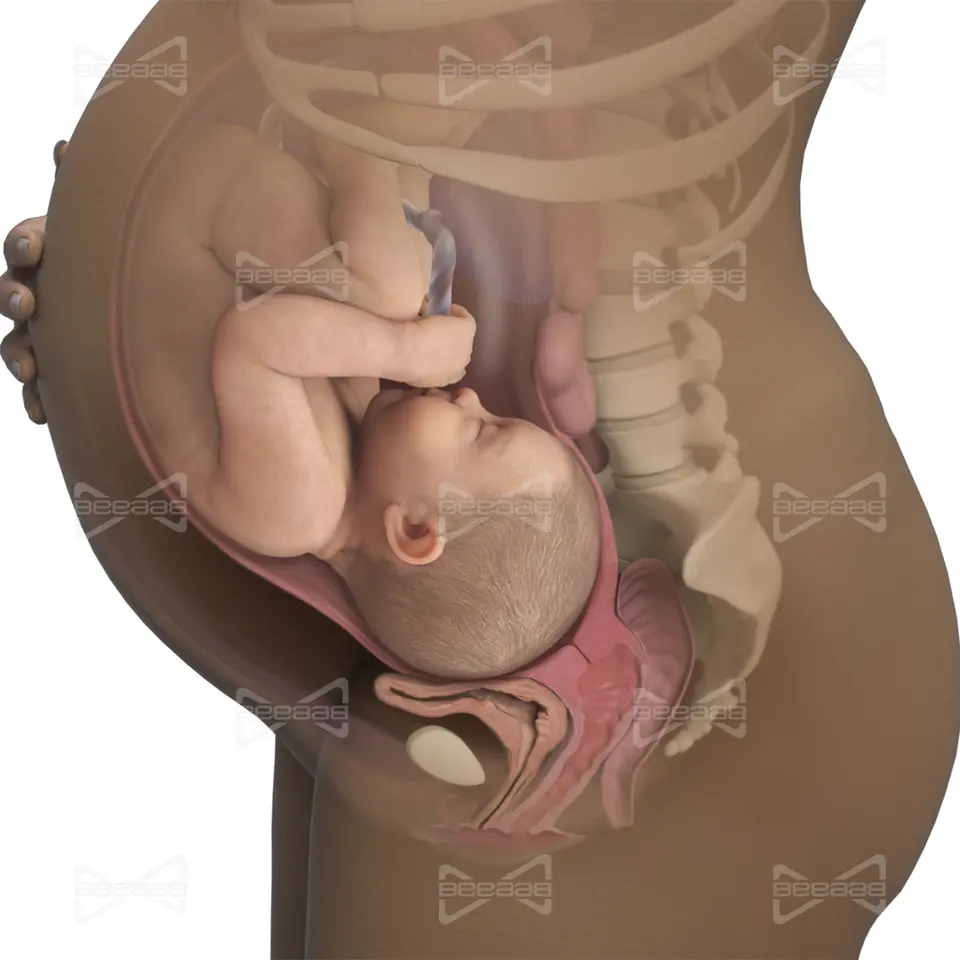


Week 41 of Pregnancy
If you haven’t gone to the hospital yet, your doctor will schedule a time for a C-section or induction of labor between weeks 41 and 42. Pregnancy typically lasts 40 weeks or 280 days from the last menstrual period, but only 5% of women give birth on their due date. Some deliver one or two weeks earlier, and some one or two weeks later, which is normal. In fact, week 41 is medically referred to as post-term pregnancy.
Tests and Monitoring in Week 41
At this stage, your doctor will carefully monitor your condition and the baby to ensure that everything is progressing well. Below are the most important checks and recommendations for this period:
A complete blood count (CBC) is performed to check for anemia, hemoglobin and hematocrit levels, and other parameters related to the mother's general health.
A urine test is performed to check for protein in the urine and signs of kidney problems or urinary infections.
Additional ultrasounds may be ordered to assess the baby’s growth, amniotic fluid levels, and position. A decrease in amniotic fluid can be a sign that labor needs to be induced.
A pelvic exam may be performed by your doctor to check the status of the cervix (dilation, thinning, and position) and to evaluate readiness for labor.
Regular blood pressure monitoring is essential for the early detection of preeclampsia and other blood pressure-related problems. Like previous weeks, your doctor may ask you to pay attention to fetal movements and count them. Non-stress tests (NST) or biophysical profiles (BPP) may also be performed to ensure the baby’s well-being. These tests might be done twice a week.
Lifestyle and Health Tips
Continue eating a balanced and nutrient-rich diet, ensuring adequate iron and calcium intake. Drink enough water to stay hydrated.
Engage in light physical activities such as walking, unless your doctor has advised you to rest. Walking can help stimulate labor.
Prioritize getting enough sleep and regular rest. Pregnancy pillows can help make sleeping more comfortable.
Maintain a good mood and reduce stress and anxiety through relaxation techniques such as meditation, yoga, and breathing exercises, which can help lower stress levels.
Talk to friends, family, or a counselor if needed to maintain mental health. Preparing for childbirth can be stressful, so emotional support is important.
Complete your preparations for childbirth, such as packing your hospital bag, reviewing your birth plan, and familiarizing yourself with the signs of labor.
Attend your medical appointments regularly and follow your doctor’s advice and instructions. If you notice any unusual symptoms, contact your doctor immediately.
Familiarize yourself with the signs of labor, such as regular contractions, water breaking, and spotting. Know the route to the hospital or birthing center and arrange transportation.
Make sure everything is ready for the arrival of your baby, such as setting up a sleeping area and gathering essential items.
Review and practice breathing and labor techniques you learned in prenatal classes.
If labor doesn’t start naturally by the end of week 41, your doctor may discuss inducing labor. This will depend on a careful assessment of your and your baby’s health.
By following these guidelines, you can help maintain your health and your baby’s, and enjoy a healthy pregnancy during the final weeks.